
Industrial land: what can you build?
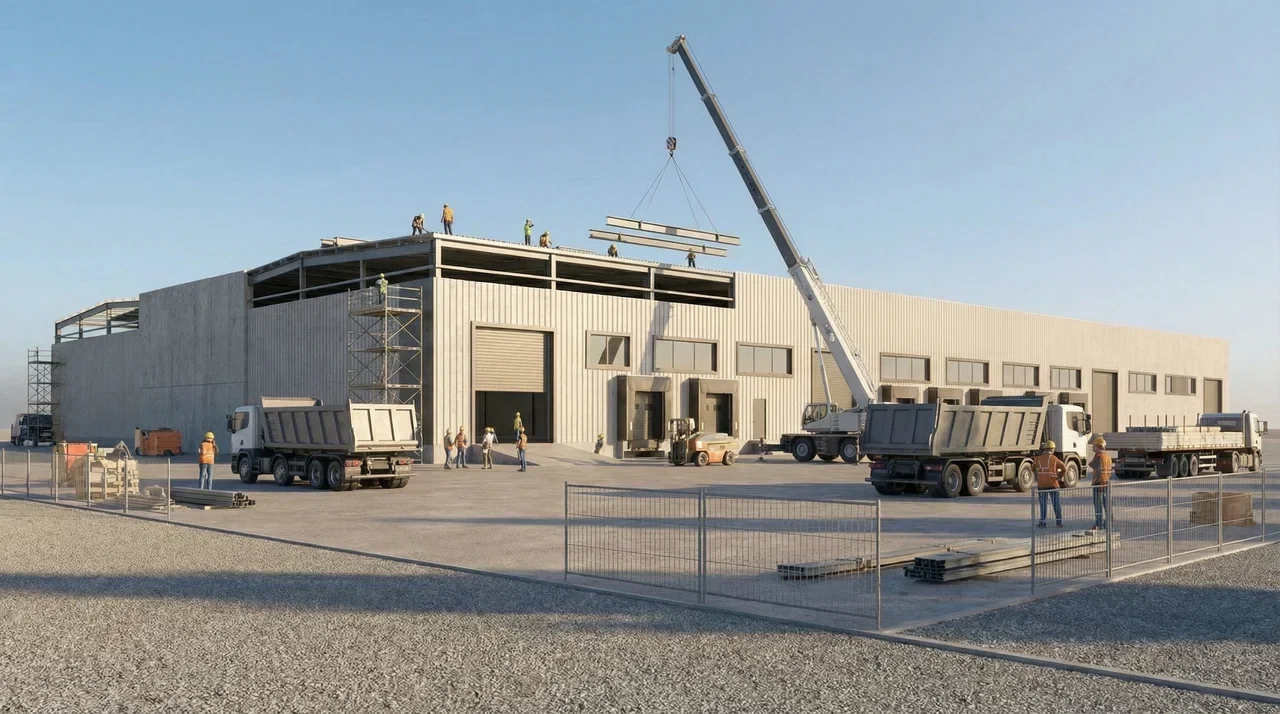
Land designated for industrial use accommodates manufacturing facilities and related buildings. However, the land category alone does not mean that any type of business can be built on a particular plot.
Before buying an industrial site, check its permitted use, zoning designation, planning regulations and restrictions.
These parameters determine whether you can build a production workshop, warehouse, industrial shed or combined production and warehouse facility.
What industrial plots are intended for
Land legislation provides for such land to be used for industrial activities and for production, administrative and auxiliary facilities.
A business should check:
- the plot's permitted use, known in Russia as VRI;
- its zoning designation;
- the types of facilities allowed;
- construction parameters;
- site restrictions.
The key question before purchase is therefore:
can the facility your business needs be built on this plot?
What can be built on an industrial plot
Depending on permitted use and planning parameters, a plot may accommodate:
- production buildings;
- workshops;
- warehouses;
- industrial sheds;
- combined production and warehouse facilities;
- auxiliary buildings;
- utility infrastructure.
The intended purpose of the building must comply with the plot's permitted use.
If a company plans a warehouse, it must check whether storage use is allowed. If it plans production, it must check whether the plot permits that specific activity.
Permitted use: why it must be checked before purchase
Permitted use determines the purposes for which a plot can be used.
Two industrial plots of the same size may allow different types of development.
If the required use is not listed as a primary permitted use, a separate procedure to change or approve it may be necessary.
It is therefore best to check permitted use before buying the plot and beginning design work.
Zoning designation and planning regulations
Planning regulations are established for each zoning designation.
They define:
- permitted uses;
- plot sizes;
- maximum construction parameters;
- restrictions on site use.
Permitted use must therefore be assessed together with the land use and development rules applicable to the site.
What the urban development plan for a land plot shows
The land plot's urban development plan, known in Russia as GPZU, helps establish which facilities can actually be accommodated.
It shows:
- the plot boundaries;
- minimum setbacks;
- permitted construction parameters;
- restrictions;
- zones subject to special conditions of use;
- public easements;
- utility networks.
The GPZU helps determine in advance which part of the plot is actually available for development.
Can you build a warehouse?
Yes, if the plot's permitted use and planning parameters allow a warehouse.
You should also consider:
- the building area;
- access for heavy goods vehicles;
- the loading area;
- space for vehicles to turn;
- utility capacity;
- the potential for expansion.
A warehouse plot must therefore be selected for its technical suitability as well as its documentation.
Can you build a production workshop?
Yes, if the proposed production activity complies with the site's permitted use.
Before purchase, it is advisable to establish:
- the type of production;
- the building area;
- the electrical capacity required;
- gas requirements;
- water supply and wastewater disposal needs;
- equipment requirements;
- heavy goods vehicle movements.
The more precisely the business's requirements are defined, the easier it is to assess whether a particular site is suitable.
Can you build an industrial shed?
The term “industrial shed” or “hangar” does not itself define a facility's use.
It may serve as a warehouse, production space or combined facility.
Whether it can be built therefore depends primarily on the building's intended use and compliance with the plot's permitted use.
What restrictions may affect construction?
Even with suitable permitted use, it is not always possible to develop the entire plot.
A project may be affected by:
- boundary setbacks;
- red lines defining planned public boundaries;
- protection zones;
- sanitary restrictions;
- zones subject to special conditions of use;
- maximum development parameters.
The plot should therefore be checked before the project is designed.
What to check in the documentation
Before the transaction, compare the plot information with the planning documentation.
It is important to check:
- the area and boundaries;
- the land category;
- permitted use;
- registered restrictions;
- the zoning designation;
- parameters specified in the GPZU.
One document is not enough; the site should be assessed as a whole.
Utility infrastructure matters too
Even a legally suitable plot must also meet the business's technical needs.
Assess:
- available electrical capacity;
- gas supply;
- water supply;
- wastewater disposal;
- access for heavy goods vehicles;
- the potential to organise vehicle circulation within the site.
This is particularly important for production facilities with high utility demand.
What to check before buying a plot for production
Before the transaction, obtain answers to ten questions:
- What is the plot's land category?
- What is its permitted use?
- What zoning designation applies to the site?
- Can the required production facility or warehouse be accommodated?
- What construction parameters apply?
- Are there restrictions?
- What facility can actually fit on the plot?
- What utility resources are available?
- Is there suitable access for heavy goods vehicles?
- Can the business expand in the future?
Land for production at TECHNOPARK16 near Kazan
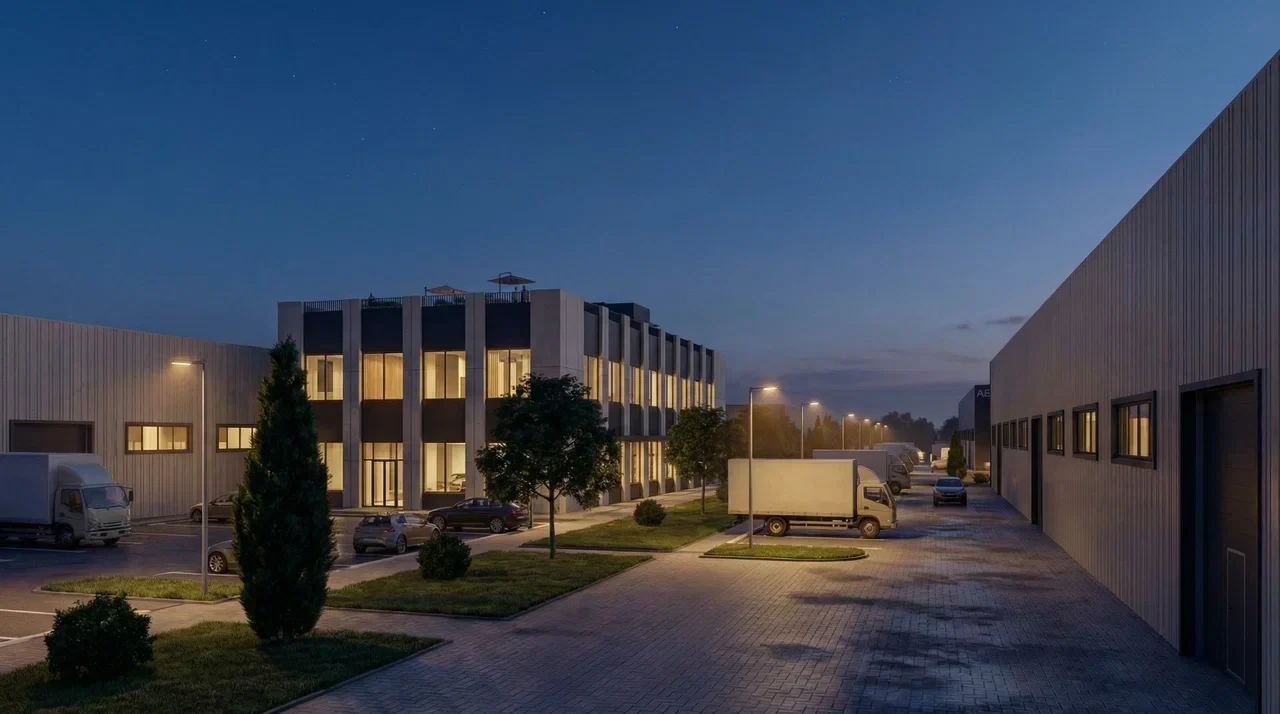
TECHNOPARK16 is located in the Pestretsy District of the Republic of Tatarstan, near Kazan.
The project covers 42 hectares and provides for 104 plots, starting from 2,000 m², for production and warehouse facilities.
The site provides for:
- internal roads;
- electrical infrastructure;
- medium-pressure gas supply;
- individual water supply;
- individual wastewater disposal;
- its own management company.
Plot selection takes account of the future facility's parameters, its area, vehicle circulation and the company's utility requirements.
View plots for production and warehousing at TECHNOPARK16
Frequently asked questions
Can you build a warehouse on industrial land?
Yes, if the plot's permitted use, planning regulations and restrictions allow a warehouse.
Can you build a production workshop?
Yes, if the type of activity and facility parameters comply with the site's permitted use.
Which matters more: land category or permitted use?
Both must be checked. The category establishes the general legal framework, while permitted use defines the specific uses allowed.
Where can you check a plot's restrictions?
Check the planning documentation, the GPZU and the information recorded for the plot.
Is suitable permitted use enough?
No. Planning regulations, restrictions and the site's technical capabilities must also be considered.
Key points before buying an industrial plot
Price, area and location alone are not enough when selecting a plot for production.
First define the future facility, then check:
permitted use → zoning designation → GPZU → restrictions → infrastructure capabilities.
Only then can you establish whether the site suits a particular business.
At TECHNOPARK16 near Kazan, you can select a plot for production or warehousing with your business's requirements in mind.
Send an enquiry to find an industrial plot that meets your company's requirements.
This material provides general information. Whether a specific facility can be built is determined individually from the characteristics of the plot and the project.