
How to become a resident of an industrial park in Tatarstan
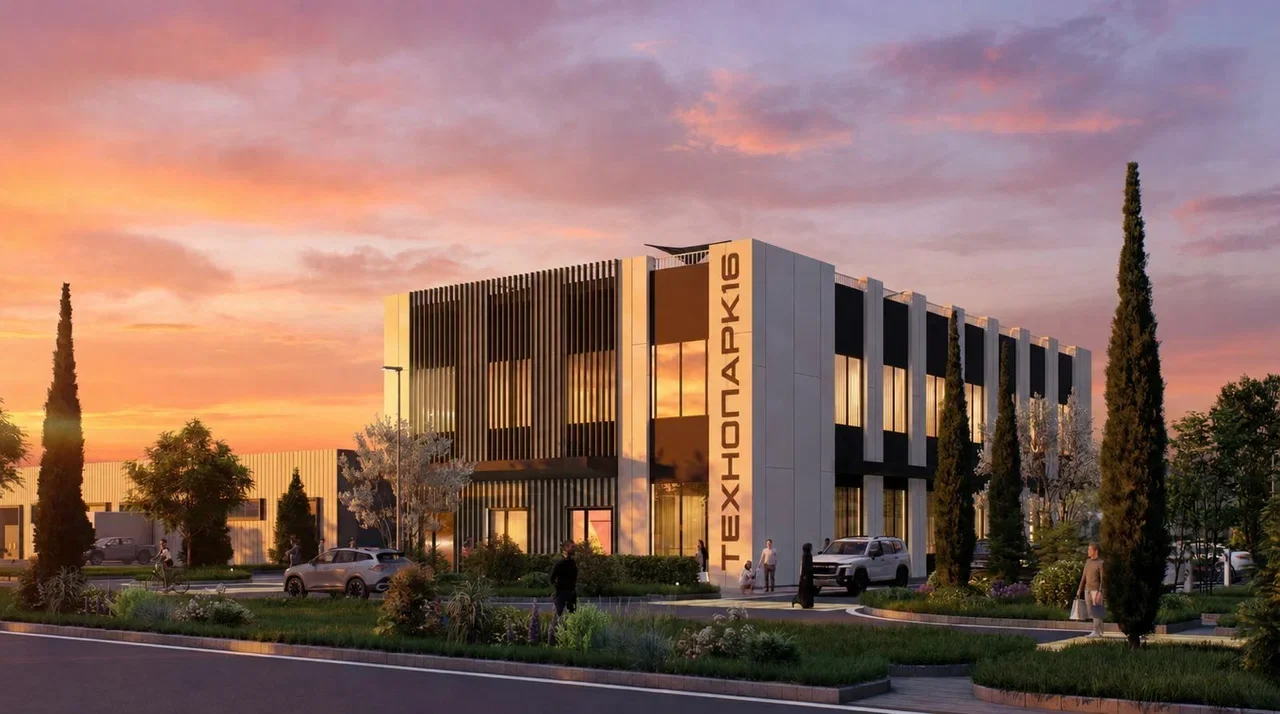
For a manufacturing company, locating in an industrial park provides more than a plot of land: it offers a site with utility infrastructure, roads and centrally managed maintenance of the shared grounds.
To become a resident, a company needs to define the requirements of its future facility, select a suitable plot, agree on infrastructure requirements and formalise its presence in the chosen industrial park.
There is no single procedure for every site in Tatarstan: each park's management company sets its own terms for residents.
Here is how the process usually works and what a company needs to prepare.
Who can become a resident and set up production in an industrial park
Industrial parks are primarily intended for businesses that need a site for a manufacturing facility or an associated warehouse.
These may include:
- manufacturing businesses;
- assembly operations;
- metalworking businesses;
- equipment and component manufacturers;
- building material manufacturers;
- businesses with their own combined production and warehouse facility;
- other industrial businesses compatible with the site's designated use.
The first step is to establish whether the proposed project is suitable for the chosen park.
Stage 1. Define the requirements of the future production facility
Before selecting a plot, establish the project's main parameters.
Ideally, decide in advance:
- what the business will do;
- how much land it needs;
- the area the building will occupy;
- the electrical capacity required;
- whether gas is needed;
- the volume of water required;
- the types of vehicles that will enter the site;
- whether the facility will need to expand in the future.
The more precisely these requirements are defined, the easier it is to select a site without acquiring unnecessary land or encountering infrastructure constraints.
Stage 2. Select a plot for production or warehousing
The next step is to select a specific plot.
Comparing only the price per 100 m² is not enough. A production facility also needs:
- a suitable plot area and layout;
- enough space for the required building;
- access for heavy goods vehicles;
- utility infrastructure;
- good transport connections;
- space for loading and unloading;
- the potential for future expansion.
This is where one of the advantages of an industrial park becomes clear: the plot is part of an area developed specifically to accommodate businesses.
Stage 3. Check the site's infrastructure capabilities
After choosing a plot provisionally, compare the site's capabilities with the requirements of the production facility.
It is particularly important to establish in advance:
- whether sufficient electrical capacity is available;
- whether a gas supply is required;
- how water supply and wastewater disposal are arranged;
- whether the roads are suitable for heavy goods vehicles;
- whether resource consumption can increase as the business grows.
This allows you to choose a plot that meets actual production needs, rather than having to adapt the project to the site's limitations after purchase.
Stage 4. Agree on the terms for locating your business
Once the site is selected, the parties agree on how the company will be accommodated.
Depending on the park's terms, this may involve buying or leasing a plot, or moving into an existing production and warehouse facility.
At this stage, the relationship between the company and the industrial site's management organisation is formalised.
A business should understand in advance:
- the terms of use of the plot;
- how the shared grounds are maintained;
- the services provided by the management company;
- the applicable operating charges;
- the obligations the resident will undertake.
Stage 5. Move on to design and construction
If a company purchases a plot, the next step is to develop its own facility.
This requires defining the building's parameters, preparing design documentation and the necessary permits, and organising construction.
The advantage of locating in an industrial park is that the resident operates within a shared industrial area rather than on an isolated plot.
This simplifies matters relating to access roads, shared infrastructure and subsequent site operation.
What to prepare when planning a production facility
You do not necessarily need an extensive set of documents for the initial enquiry.
It is more important to provide information about the project itself:
- the type of activity;
- the anticipated plot area;
- the area of the future building;
- utility requirements;
- the number of employees;
- freight traffic;
- the intended launch date;
- plans for further development.
The management company can then identify plots that meet the business's requirements.
The documents needed to formalise the arrangement are determined for the specific project and chosen site.
What an industrial park resident receives
The main value of residency lies in the opportunity to operate within an organised industrial area, rather than in the title of the status itself.
Depending on the park, a resident gains access to:
- a plot for production or warehousing;
- utility infrastructure;
- internal roads;
- organised access for heavy goods vehicles;
- security and access control;
- cleaning of the grounds;
- waste collection;
- technical maintenance;
- management company services;
- regional and municipal incentives, where the relevant industrial park status is in place.
On a standalone industrial plot, the owner organises many of these processes independently.
In an industrial park, a substantial share of operational tasks is handled centrally.
Why the management company matters to residents
Once a business opens, both the building and the surrounding grounds need daily upkeep.
Tasks include:
- cleaning;
- security;
- waste collection;
- maintenance of shared roads;
- technical maintenance;
- operation of shared areas.
When the management company handles these tasks, owners do not have to find contractors and monitor each service separately.
This enables the company to focus on its core business.
How to set up production at TECHNOPARK16 near Kazan
TECHNOPARK16 is located in the Pestretsy District of the Republic of Tatarstan, near Novoye Shigaleyevo and close to Kazan.
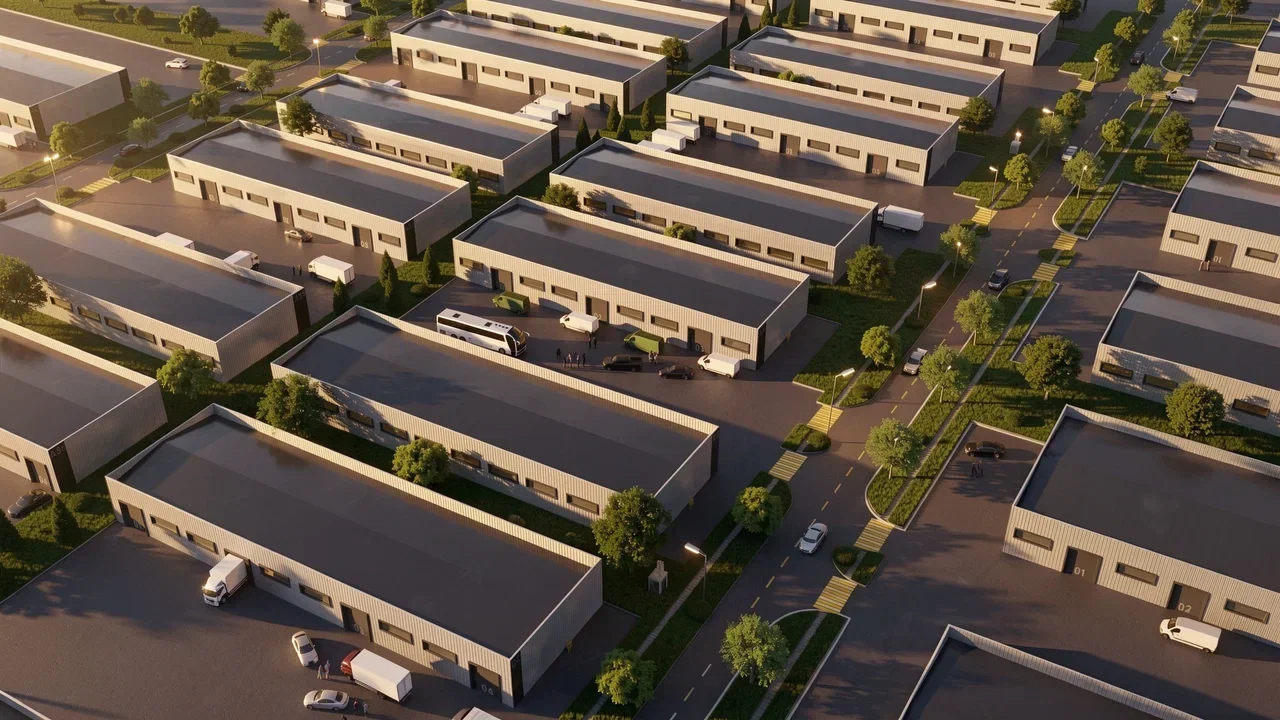
The project covers 42 hectares and provides for 104 plots, starting from 2,000 m², for production and warehouse facilities.
To select a site, follow a few straightforward steps.
1. Describe your project
Define the type of production, the approximate building area and the company's requirements.
2. Determine the land area required
The size of a site depends on more than the building area. Allow for heavy goods vehicles, loading areas, parking and room for expansion.
3. Define infrastructure requirements
Establish the necessary electrical capacity and demand for gas, water and other resources in advance.
4. Select an available plot
The site is chosen with the characteristics of the future facility and the company's development plans in mind.
5. Agree on the terms
You can then proceed with the plot paperwork and development of the production or warehouse facility.
View available plots at TECHNOPARK16
Why consider TECHNOPARK16
When selecting a standalone industrial plot, a company assesses not only the land but also the related tasks: roads, utility infrastructure, grounds maintenance and security.
At TECHNOPARK16, these matters are addressed together.
The site provides for:
- an internal road network;
- electrical infrastructure;
- medium-pressure gas supply;
- individual water supply;
- individual wastewater disposal;
- professional site management.
The management company handles operation, technical maintenance, security, cleaning and waste collection.
As a result, the company acquires a site within an organised industrial area, rather than simply a plot of land.
What to establish before making an enquiry
To select a plot more quickly, answer these nine questions:
- What will the business manufacture?
- What building area will be required?
- How much land is needed?
- What electrical capacity is required?
- Is gas needed?
- What types of heavy goods vehicles will be used?
- How many employees are expected?
- Should space be reserved for expansion?
- When is the facility expected to open?
This information is sufficient to begin a focused search for a suitable site.
Frequently asked questions
Who can become a resident of an industrial park?
A company or sole proprietor that locates a suitable manufacturing or related facility on the site and formalises its relationship with the park's management company.
Does the business have to be operating already?
No. You can also select a site for a new production facility that is still being planned.
Can you buy a plot in an industrial park?
Yes, if the specific project offers this option. TECHNOPARK16 offers land plots for production and warehouse facilities.
What kind of plot does a production facility need?
This depends on the building area, vehicle circulation, utility requirements and plans for future expansion. A plot should therefore be selected for a specific project.
Do you need a separate “Tatarstan resident status”?
There is no single universal status covering all industrial parks in the republic. A company locates in a specific park under that site's terms.
What does the management company provide?
It simplifies operation of the shared grounds by handling maintenance, security, cleaning and other services included in the park's terms.
How to start planning your business's location
The first step is to define the requirements of the future facility, rather than compile documents.
Once the area, utility requirements, freight traffic and development plans are known, you can select a suitable plot and assess the terms.
TECHNOPARK16 offers plots from 2,000 m² for production and warehouse facilities near Kazan.
Send an enquiry and tell us about your project. The TECHNOPARK16 team will help select a site that meets your business's requirements.